

Shipping Perishable Goods
We at Aeon India have seen businesses lose thousands because a shipment of mangoes arrived looking like mush. Internationally shipping perishable goods is tricky—your berries are going bad whether customs moves fast or slow. That fish you’re sending overseas? It doesn’t pause its decay for flight delays. Medicine that needs cold storage will be ruined if someone messes up the temperature even once. Get it wrong and you’re throwing money in the trash.
Types of Perishable Items
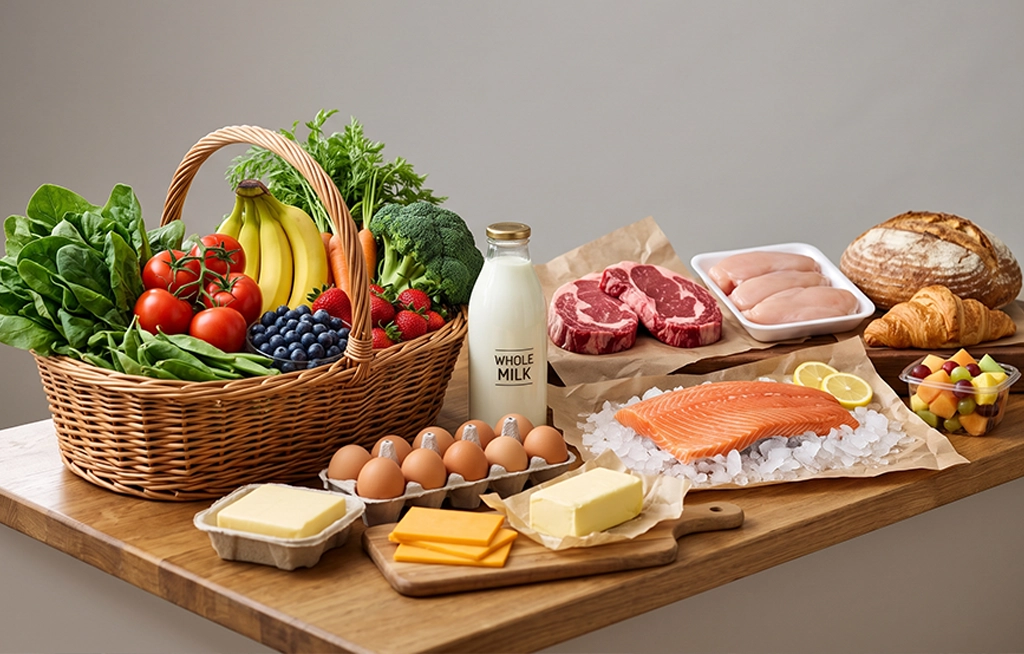
Walk through a grocery store, and you’ll spot half our business. Fruits, vegetables, meat, fish, dairy products—basically anything you’d refrigerate at home. Then there’s the stuff people forget about. Flowers die fast without proper care. Chocolates melt. Certain chemicals and medical supplies lose their effectiveness if they get too warm or too cold.
Vaccines are probably the most stressful. They need specific temperatures, no exceptions. Strawberries? They’ll forgive you for a small temperature bump. A box of COVID vaccines won’t. We’ve also shipped live plants, specialty cheeses, fresh pasta, and even birthday cakes internationally. Each one has different requirements. Some need ice, others need climate control, and a few need to arrive within 24 hours or they’re useless.
Methods of International Transporting Perishable Goods
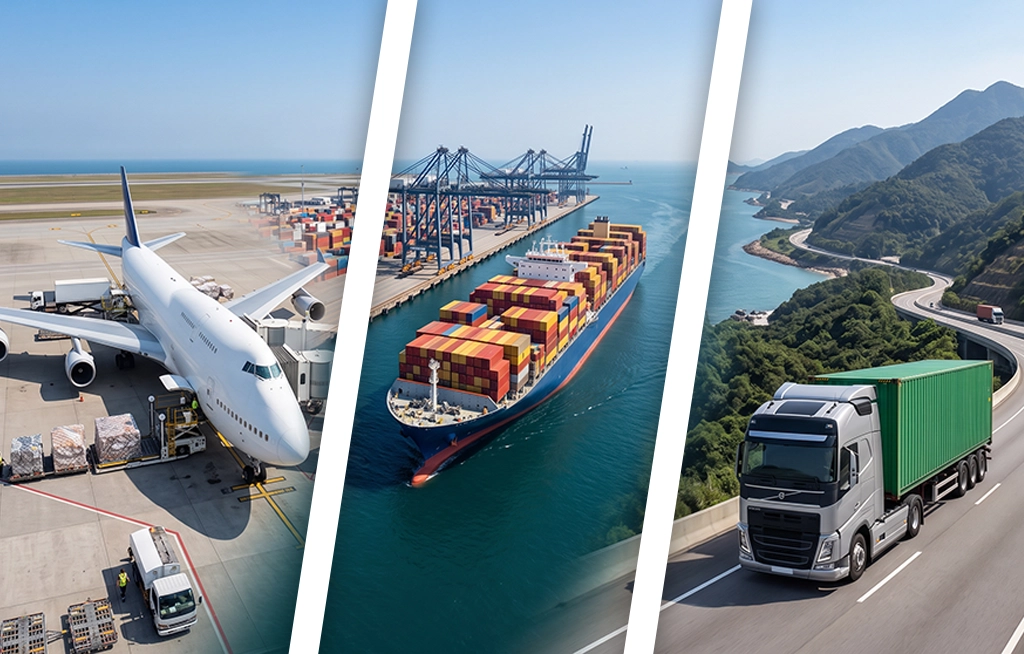
If you’re racing against the clock, air freight is the way to go. It’s pricier, no question—but your salmon gets to Tokyo while it’s still fresh enough for sushi. Now, if you’re moving larger quantities and time isn’t quite as tight, refrigerated containers on cargo ships work perfectly well and won’t drain your budget nearly as fast.These metal boxes keep things cold from Mumbai to Montreal. Smaller parcels often go through express couriers who specialise in quick deliveries. Sometimes mixing transport types makes sense—ship by sea to a nearby hub, then fly the last leg. Modern technology lets you watch your shipment’s temperature on your phone, which honestly feels like science fiction but saves plenty of headaches.
Why choose Aeon India for Shipping Perishable Items?
Perishable shipping goes wrong in a hundred different ways. That’s where experience counts.
Trusted Packing and Shipping Service
We’ve learned what works through trial and error over the years. Sometimes gel packs do the job. Other times, you need dry ice, which comes with its own rulebook since it’s technically a hazardous material. We measure how long your product needs to stay cold, then build packaging around that timeline with some buffer room. Before we send anything out, one of our guys physically checks every seal and every cooling pack. It takes time, and it’s boring as hell, but it’s better than getting angry phone calls about ruined shipments.
International Shipping Experience
We’ve shipped enough perishable cargo to know which airlines actually prioritise cold cargo and which ones let it sit on hot tarmacs. We know that shipping flowers to Europe in summer needs different planning than winter routes. Trade lanes all have their quirks—customs in one country move fast, another takes days. That knowledge comes from doing this repeatedly, not from reading manuals.
Warehouse Storage Facilities
Our warehouses aren’t fancy, but they’re cold where they need to be. Different sections maintain different temperatures because frozen tuna and fresh lettuce can’t share space. We track expiration dates religiously and rotate stock properly. If your shipment arrives before its flight, it waits in the right conditions. If customs take longer than expected, your goods stay preserved while we sort it out.
Handling Customs
Customs paperwork for perishables is genuinely annoying. Health certificates, import permits, phytosanitary documents—miss one and your shipment sits in limbo while your product’s clock keeps ticking. We’ve filled out these forms enough times that we catch problems before they delay anything. Having contacts at customs helps too. We can’t skip the rules, but we can move things along when inspections come up.
FAQs’ When Transporting Perishable Goods
The following are some of the common questions people ask us when transporting perishable goods
How do you Ship Perishable Items?
We start by looking at what you’re actually sending. How long does it stay fresh? What happens if it gets bumped around or sits too long? Those answers matter more than any standard checklist. From there, we figure out the right packaging and map the quickest route that won’t cost a fortune. Temperature monitors get attached to your shipment, and our team watches those readings as things move along. Something looks off? We jump on it immediately—waiting around just makes problems worse.
Can you Ship Perishable Food Items Internationally?
Yeah, usually. The tricky bit is that every country writes its own rulebook. Australia’s particularly fussy about what comes through. Some governments won’t allow certain meats at all, while others want fruits treated in very specific ways. We make a point of checking regulations upfront because having your shipment turned back at the border is exactly the kind of headache nobody needs.
How Much Will it Cost for Shipping Perishable Items?
There’s no one-size-fits-all answer here. Weight matters. Distance matters. How quickly you need it delivered matters. Give us those details and we’ll put together an actual quote for you. We also keep an eye out for cost-saving options—sometimes consolidating loads works, or maybe a service that’s a day slower but gets your product there just as safely.
Do you Provide Insurance During the Shipment of Perishable Food Items?
Yes, and you should probably take it. Regular cargo insurance sometimes doesn’t cover spoilage from temperature problems. We offer coverage that does. The cost depends on what you’re shipping and where it’s going, but it’s cheaper than eating the full loss if something goes sideways.
Will Aeon India assist me with Taxes and Customs Clearance Documents?
That’s part of what we do. We prepare the paperwork, calculate duties, get the certificates you need, and talk to customs officials when questions come up. We can pay the duties upfront if that helps your cash flow. Basically, we handle the bureaucratic mess so you don’t have to learn import regulations for twelve different countries.